
How to Use Numbing Cream? Application, Strength & Side Effects
Numbing cream is a topical anesthetic product used to temporarily reduce pain and skin sensitivity before certain cosmetic and aesthetic procedures. It is commonly used before microneedling, laser treatments, tattooing, permanent makeup, microblading and other professional skin procedures.
Numbing creams are available in different formulations and anesthetic concentrations. This is important because the strength of a numbing cream can affect how quickly it works, how strong the numbing effect is and how carefully it needs to be used.
In this guide, we explain how to use numbing cream, how long to leave it on, what numbing cream percentages mean, and its possible side effects.
Table of Contents
- What Is Numbing Cream?
- What Is Numbing Cream Used For?
- How Does Numbing Cream Work?
- Numbing Cream Percentage & Strength
- How to Use Numbing Cream
- How Long Should You Leave Numbing Cream On?
- Should You Cover Numbing Cream with Plastic Wrap?
- Popular Numbing Cream Brands
- Possible Side Effects
- Important Safety Precautions
- Frequently Asked Questions
- Conclusion
What Is Numbing Cream?
Numbing cream is a topical anesthetic applied directly to the skin to temporarily reduce sensation in a particular area.
Depending on the product, numbing creams may contain local anesthetic ingredients such as lidocaine, prilocaine or other topical anesthetics.
Once absorbed into the skin, these ingredients temporarily reduce the transmission of pain signals from the treated area. This can make certain cosmetic procedures more comfortable.
The numbing effect is temporary and gradually wears off after the cream has been removed.
What Is Numbing Cream Used For?
Numbing cream is commonly used before professional cosmetic and aesthetic procedures such as:
- Microneedling
- Dermapen treatments
- Laser procedures
- Tattooing
- Tattoo removal
- Permanent makeup
- Microblading
- Certain aesthetic skin procedures
The purpose of numbing cream is to reduce pain and discomfort. It does not improve the actual results of the cosmetic treatment.
How Does Numbing Cream Work?
Topical numbing creams contain local anesthetic ingredients that temporarily reduce nerve signals in the area where they are applied.
After application, the cream needs time to penetrate the superficial layers of the skin.
This is why numbing cream is normally applied before the procedure rather than immediately before starting it.
The onset and strength of numbness depend on several factors, including the active ingredient, concentration, amount applied, treatment area and application time.
Numbing Cream Percentage & Strength
One of the most important things to check when buying or using a numbing cream is its active ingredient and percentage/concentration.
For example, a product label may state that it contains a certain percentage of lidocaine or another local anesthetic.
A higher percentage does not automatically mean that a product is better or safer. Higher concentrations can also increase the risk of excessive absorption and adverse effects.
The concentration can vary considerably between different numbing creams and even between different versions of the same brand.
Therefore, always check the percentage printed on the original box, tube or manufacturer's label rather than relying only on the brand name.
How to Use Numbing Cream
Before applying numbing cream, carefully read the instructions provided with the specific product.
First, clean the treatment area and make sure the skin is completely dry.
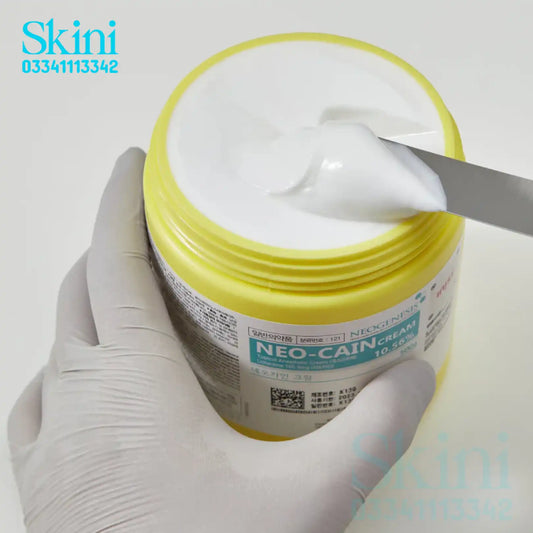
Apply the recommended amount of numbing cream evenly over the area that will be treated. Many professional protocols use a visibly thick layer rather than rubbing the cream completely into the skin, but the amount should never exceed the specific product's directions.
For products whose instructions permit occlusion, the area may then be covered with plastic or lamination-style wrap to help keep the cream in place and prevent it from drying out.
The cream is commonly left in place for around 30–50 minutes in some professional cosmetic protocols, but this should not be treated as a universal rule. The correct application time depends on the product, concentration and manufacturer's instructions.
After the recommended time, remove the wrap and completely wipe away the numbing cream.
The skin should then be properly cleaned and prepared according to the procedure being performed.
Never perform microneedling, laser treatment or another procedure while a thick layer of numbing cream is still present on the skin.
How Long Should You Leave Numbing Cream On?
Some numbing creams used in professional aesthetic settings may develop their desired numbing effect after approximately 30–50 minutes.
However, there is no single application time suitable for every numbing cream.
The required time can depend on:
- Active anesthetic ingredient
- Percentage/concentration
- Product formulation
- Treatment area
- Condition of the skin
- Manufacturer's directions
Leaving a numbing cream on for longer than recommended does not necessarily produce better numbness and may increase systemic absorption.
Should You Cover Numbing Cream with Plastic Wrap?
In some professional protocols, numbing cream is covered after application to prevent it from drying out.
This is sometimes referred to as occlusion.
A thick layer of cream may be applied and then covered with suitable plastic/occlusive wrap for the permitted application period.
However, covering a topical anesthetic can increase its absorption through the skin. Therefore, plastic or lamination wrap should only be used when the specific product instructions allow it or when directed by an appropriately qualified professional.
Never assume that every numbing cream can safely be used under plastic wrap.
Popular Numbing Cream Brands
There are several numbing cream brands commonly found in the professional aesthetic market, including:
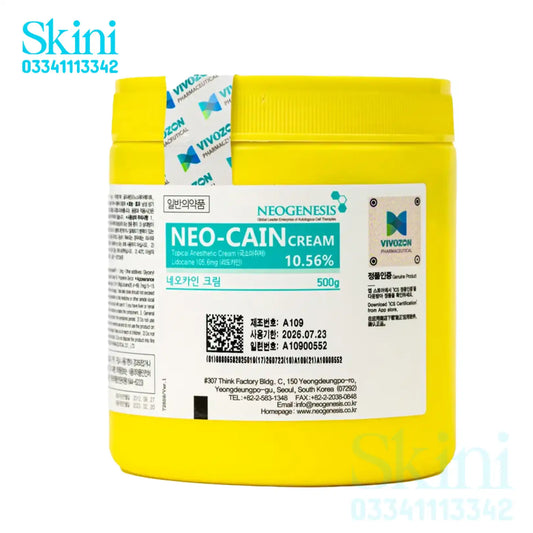
Neo-Cain Numbing Cream
A topical numbing product commonly used before professional aesthetic procedures.
Micaine Numbing Cream
Another topical anesthetic product available for reducing temporary skin sensitivity before suitable procedures.
ST Cain Numbing Cream
A professional numbing cream option available in different markets. Check the product packaging for its active ingredient and concentration.
Muchcaine Numbing Cream
Used as a topical numbing product for professional cosmetic applications. Always verify its stated anesthetic concentration before use.
Richessecaine Numbing Cream
Another professional topical numbing option. Application time and strength should be checked directly from the product label.
LeedFrost Numbing Cream
A topical anesthetic product available for professional aesthetic applications. Check the original packaging for the exact formulation and percentage.
Which Numbing Cream Percentage Is Best?
There is no single percentage that is best for everyone.
The appropriate concentration depends on the intended procedure, treatment area, active ingredient and individual patient/client factors.
Do not select a numbing cream simply because it advertises the highest percentage. Higher strength can mean higher risk as well as stronger anesthetic exposure. 10.56% Lidocian is normal.
Always verify the active ingredients and concentrations printed on the original packaging.
Possible Side Effects of Numbing Cream
When used correctly, topical anesthetics are generally intended to produce temporary localized numbness. However, side effects can occur.
Common local reactions may include:
- Temporary redness
- Skin irritation
- Mild burning or stinging
- Itching
- Temporary paleness
- Swelling
- Longer-than-expected numbness
More serious reactions can occur if excessive anesthetic is absorbed into the body. Risk can increase when large quantities are used, the treatment area is very large, the skin is damaged, high-strength products are used incorrectly, or occlusive wrapping increases absorption.
Seek urgent medical attention for symptoms such as difficulty breathing, severe dizziness, confusion, seizures, abnormal heartbeat, severe swelling, unusual drowsiness, or blue/grey lips or skin.
Important Safety Precautions
Always check the active ingredients, percentage and manufacturer's instructions before applying a numbing cream.
Do not use more cream or leave it on longer simply to achieve stronger numbness.
Avoid applying topical anesthetics to broken, irritated or infected skin unless specifically directed by a healthcare professional.
Avoid contact with the eyes, inside the mouth and other mucous membranes unless the specific product is intended for that use.
Do not mix several numbing creams or combine topical anesthetics without appropriate medical guidance.
Extra care is required for children and people who are pregnant, breastfeeding, taking certain medicines or have relevant medical conditions.
For professional use where applicable. Always follow the instructions supplied with the specific product.
Frequently Asked Questions
How long does numbing cream take to work?
Some professional numbing creams may produce significant numbness within approximately 30–50 minutes, but the exact onset depends on the active ingredient, concentration, application method and individual product.
Should numbing cream be applied in a thick layer?
Some product protocols call for an even, visibly thick layer instead of completely rubbing the cream into the skin. However, the quantity should always remain within the manufacturer's directions.
Why is numbing cream covered with plastic wrap?
When permitted by the product instructions, covering the cream can prevent it from drying and may increase penetration. Because occlusion can also increase anesthetic absorption, it should not automatically be used with every product.
Does a higher percentage mean better numbing?
Not necessarily. Higher concentrations may provide stronger anesthetic exposure but can also increase the risk of side effects. The appropriate formulation is more important than simply choosing the highest percentage.
Can numbing cream be used before microneedling?
Suitable topical anesthetics are commonly used before professional microneedling to reduce discomfort. The cream should be completely removed and the skin appropriately prepared before microneedling begins.
Can I leave numbing cream on for one hour?
Only if the instructions for the specific product allow it. Do not extend application time beyond the recommended period just to achieve stronger numbness.
Does numbing cream have side effects?
Yes. Temporary redness, irritation, itching, burning, paleness or swelling can occur. Excessive systemic absorption of local anesthetics can cause more serious adverse effects.
Conclusion
Numbing cream can make professional cosmetic and aesthetic procedures more comfortable by temporarily reducing sensation in the treatment area.
Depending on the specific product, professional protocols may involve applying an appropriate layer of numbing cream and, when permitted, covering it with plastic or lamination-style wrap for approximately 30–50 minutes. The cream is then completely removed before the procedure begins.
However, numbing creams are available in different active ingredients and percentages, so the same method and timing should not automatically be applied to every product.